Creating a strong, healthy, and resilient body goes far beyond just lifting weights or running on a treadmill. To achieve comprehensive well-being, it’s essential to consider all aspects of fitness — strength, cardiovascular health, flexibility, and mental wellness. Whether you’re starting your fitness journey or looking to enhance your current routine, adopting a holistic approach will not only make you stronger physically, but also improve your emotional resilience and overall quality of life.
In this article, we will break down each component of a balanced fitness routine and explain how combining strength training, cardiovascular exercise, flexibility work, and mental wellness practices can improve your health in lasting ways. The goal is to craft a sustainable workout plan that promotes strength, energy, and longevity while keeping you motivated and engaged.
1. Strength Training: Building the Foundation
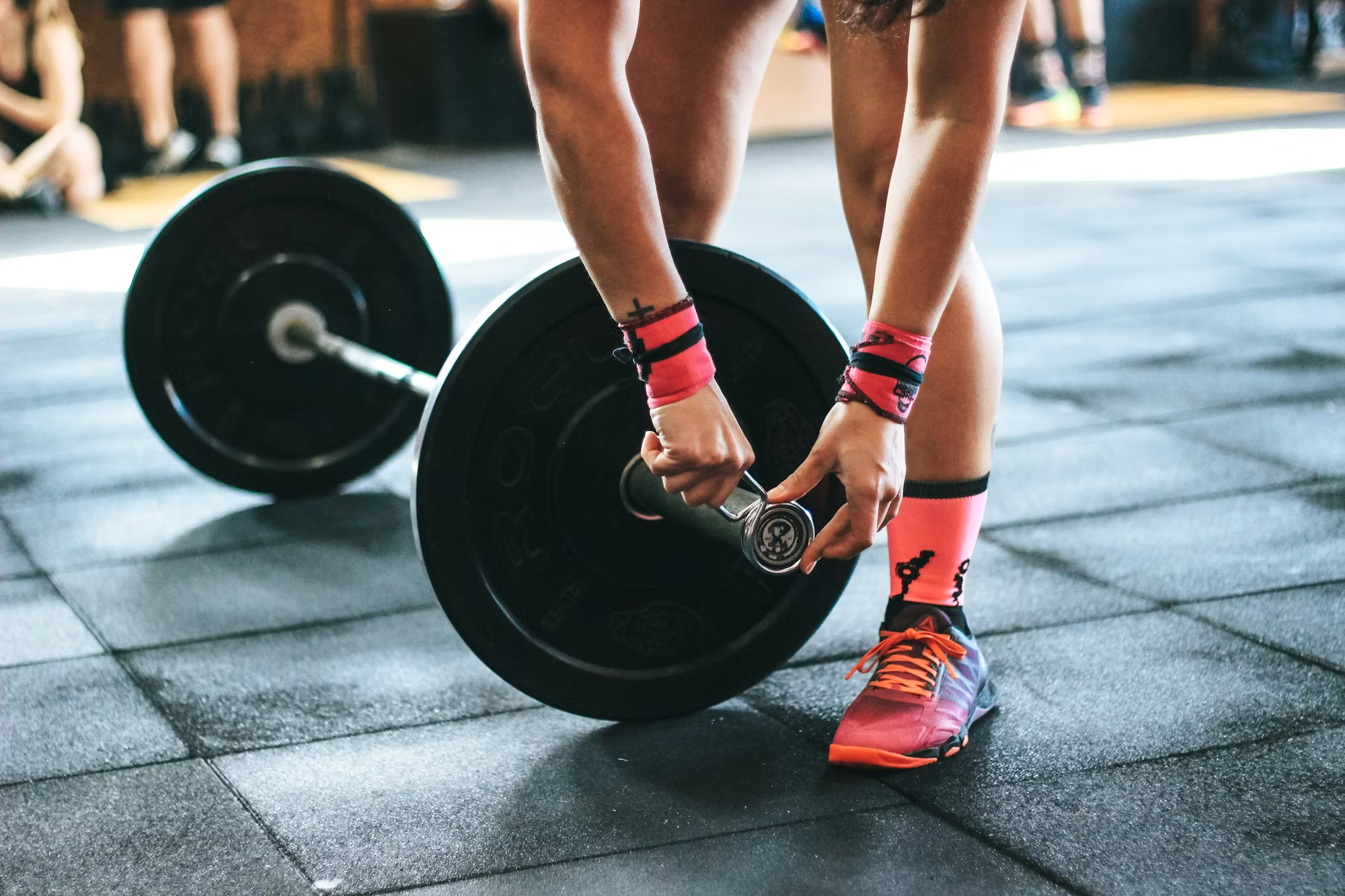
Strength training is one of the most fundamental components of any well-rounded fitness plan. Whether you’re aiming to gain muscle, increase bone density, or improve functional strength for daily activities, incorporating strength training exercises is crucial.
The Benefits of Strength Training
Strength training offers a variety of benefits that support overall fitness and health. Building muscle mass through strength exercises can improve your metabolism, making it easier to burn calories even while at rest. Increased muscle mass also supports bone health, as it places more stress on bones, stimulating growth and strength.
Strength training also helps improve posture and stability. Many strength exercises target the core and back muscles, which play a key role in supporting the spine and maintaining a strong, upright posture. A stronger body also means more power and endurance in other activities, such as cardio, sports, or even everyday tasks like lifting groceries or carrying children.
Free Weights vs. Machines: Which Is Best for You?
When it comes to strength training, there are two main types of equipment: free weights and machines. Free weights, such as dumbbells, kettlebells, and barbells, provide a full range of motion and engage stabilizing muscles, which help improve balance and coordination. These exercises often require more control and effort from the body, which can translate to better functional fitness.
On the other hand, weight machines can be a great option for beginners or those who prefer a more controlled movement. Machines guide the body through the movement, reducing the chance of injury and helping maintain good form. While free weights are often preferred for compound exercises, machines can be useful for targeting specific muscle groups.
Bodyweight Exercises: Convenient and Effective
For those who prefer a minimalist approach, bodyweight exercises are a perfect solution. Exercises like push-ups, squats, lunges, and planks use your own body weight to provide resistance, making them highly effective for building muscle and improving endurance. Bodyweight workouts are versatile, cost-free, and can be done anywhere — at home, outdoors, or in a hotel room while traveling.
2. Cardiovascular Exercise: Strengthening the Heart and Boosting Endurance
Cardiovascular exercise, also known as aerobic exercise, is essential for improving heart and lung health. Regular cardio not only strengthens the cardiovascular system, but also boosts stamina, helps manage weight, and improves mental clarity. Whether you’re running, cycling, swimming, or engaging in HIIT (High-Intensity Interval Training), cardio workouts play a critical role in keeping the body healthy and functioning efficiently.
Choosing the Right Cardio
Cardiovascular exercise comes in many forms, and finding the one that you enjoy is key to staying consistent. For some, running is a straightforward and rewarding cardio option. Whether it’s running on the treadmill or through a scenic park, running offers an excellent cardiovascular workout and improves endurance. Beginners may want to start with walking or jogging before building up to more intense running sessions.
Cycling is another popular form of cardio. Whether you’re cycling outdoors or using a stationary bike at the gym, cycling offers a low-impact alternative to running while still providing a great cardiovascular workout. It’s also excellent for targeting the lower body, specifically the quads, hamstrings, and glutes.
Swimming is another fantastic cardio exercise, offering a full-body workout that enhances endurance while being easy on the joints. The resistance of water provides an excellent opportunity for low-impact cardio that strengthens muscles while improving cardiovascular fitness.
HIIT workouts have gained popularity for their time efficiency and effectiveness. HIIT involves alternating between short bursts of intense exercise and brief recovery periods. These workouts are quick, high-intensity, and can be customized to target specific fitness goals. Whether you’re doing sprints, cycling, or bodyweight exercises, HIIT is a great way to improve cardiovascular health and burn fat in a short amount of time.
3. Flexibility and Mobility: Enhancing Movement and Reducing Injury Risk
Flexibility and mobility exercises are often overlooked, but they are vital for maintaining joint health and preventing injuries. Stretching and mobility work improve range of motion, reduce muscle stiffness, and promote better posture.
Yoga: A Full-Body Stretch and Mindfulness Practice
Yoga is one of the most effective ways to improve flexibility and mobility. Through a series of poses, yoga stretches the muscles, lengthens the spine, and promotes better balance and coordination. In addition to improving flexibility, yoga enhances mental clarity and reduces stress. Practices like Vinyasa or Hatha yoga focus on gentle movements and breathing techniques, while Power yoga can provide a more intense workout.
One of the key benefits of yoga is its ability to improve mental and emotional well-being. The practice encourages mindfulness, focus, and a connection between mind and body. Whether you’re practicing for flexibility or stress relief, yoga can be a valuable part of a holistic fitness routine.
Pilates: Core Strength and Flexibility Combined
Pilates is another excellent way to enhance flexibility while building core strength. Pilates focuses on controlled movements and proper alignment to improve posture, flexibility, and muscle lengthening. Many Pilates exercises target the core, helping to build a strong foundation that supports the spine and improves overall body strength.
Pilates exercises are typically low-impact, making them suitable for people of all fitness levels. Pilates classes or online routines often include exercises using a mat or specialized equipment, such as the reformer, which adds resistance for greater intensity.
4. Mental Wellness: The Foundation of a Holistic Routine
While physical exercise is important, mental wellness is equally essential in creating a balanced fitness routine. Incorporating mindfulness, stress-management techniques, and recovery practices will not only support your emotional health, but also improve your physical performance.
Mindfulness and Meditation
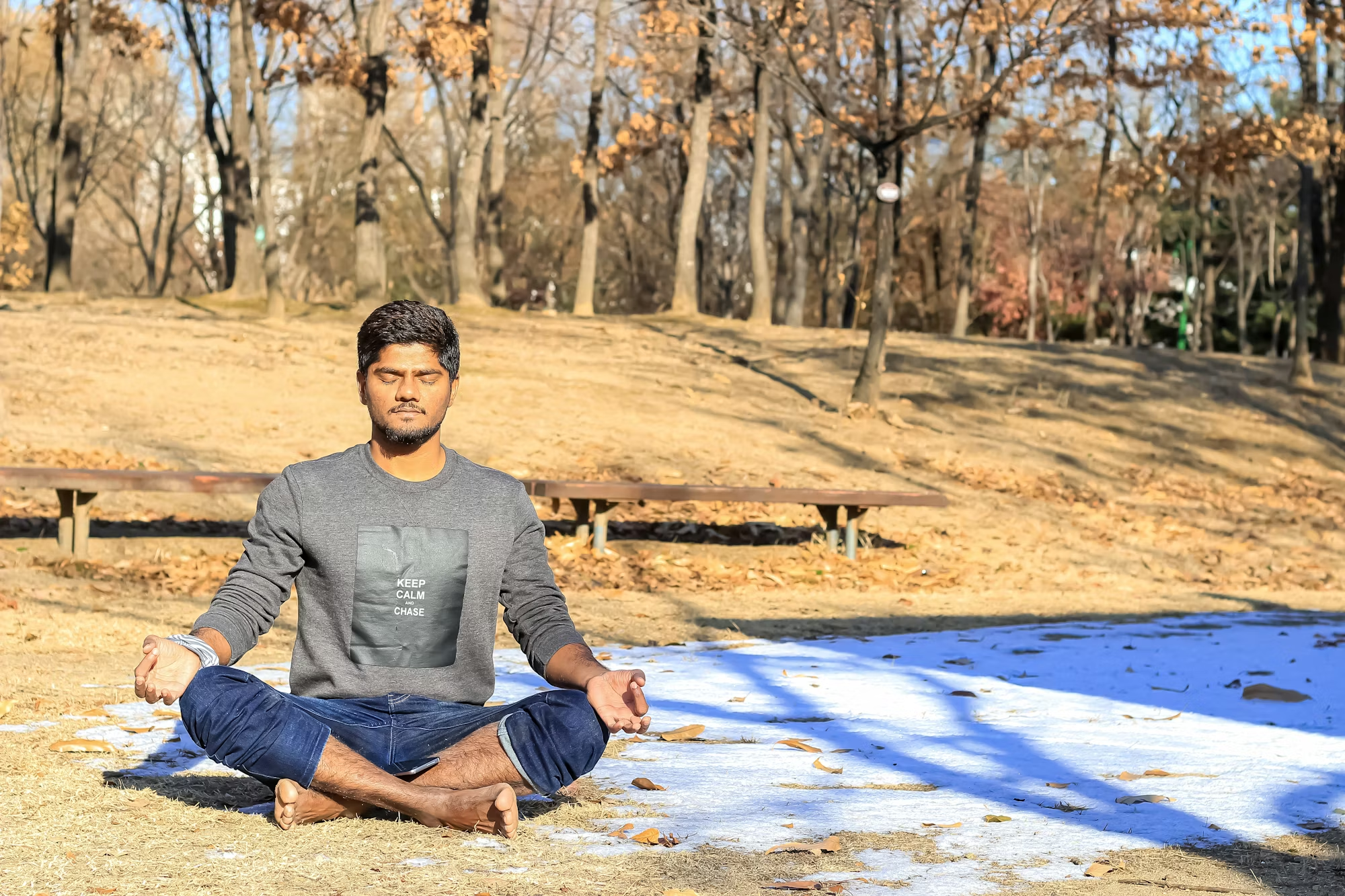
Mindfulness practices like meditation, deep breathing exercises, or even mindful walking can significantly reduce stress and improve emotional resilience. Studies have shown that mindfulness can help reduce anxiety, improve focus, and promote overall well-being.
Taking time to meditate or simply focus on your breath for a few minutes each day can help clear your mind and create a sense of calm. This mental clarity can carry over into your workouts, making it easier to stay focused and motivated during exercise.
Rest and Recovery
Equally as important as exercise is rest and recovery. Giving your body time to heal after intense workouts helps prevent overtraining, reduces the risk of injury, and allows muscles to rebuild and strengthen. Incorporating rest days into your routine, as well as focusing on active recovery (such as light walking or yoga), will keep your body in peak condition.
Sleep is another crucial element of recovery. It’s during sleep that the body repairs itself and restores energy. Aim for 7-9 hours of quality sleep each night to maximize the benefits of your workouts and enhance overall well-being.
Foam rolling and stretching can also aid in recovery by reducing muscle soreness and improving flexibility. These practices promote blood circulation, which speeds up recovery and reduces stiffness in the muscles.
Conclusion: Crafting Your Holistic Fitness Plan
A truly effective fitness routine goes beyond just lifting weights or running on a treadmill. A balanced approach that incorporates strength training, cardiovascular exercise, flexibility work, and mental wellness will lead to a stronger, healthier, and more resilient body. It’s important to find a routine that works for your lifestyle and aligns with your personal goals.
The key to success is consistency. Don’t feel pressured to do everything perfectly or to follow the latest fitness trend. Start with small, manageable goals, and gradually build a routine that you can maintain over the long term. By integrating strength, endurance, flexibility, and mental wellness, you’ll be on your way to achieving a healthier, more balanced life.
Remember, fitness is not just about physical appearance — it’s about feeling strong, energized, and confident in your body. With dedication, mindfulness, and patience, you can create a fitness routine that supports your long-term well-being and helps you live life to the fullest.